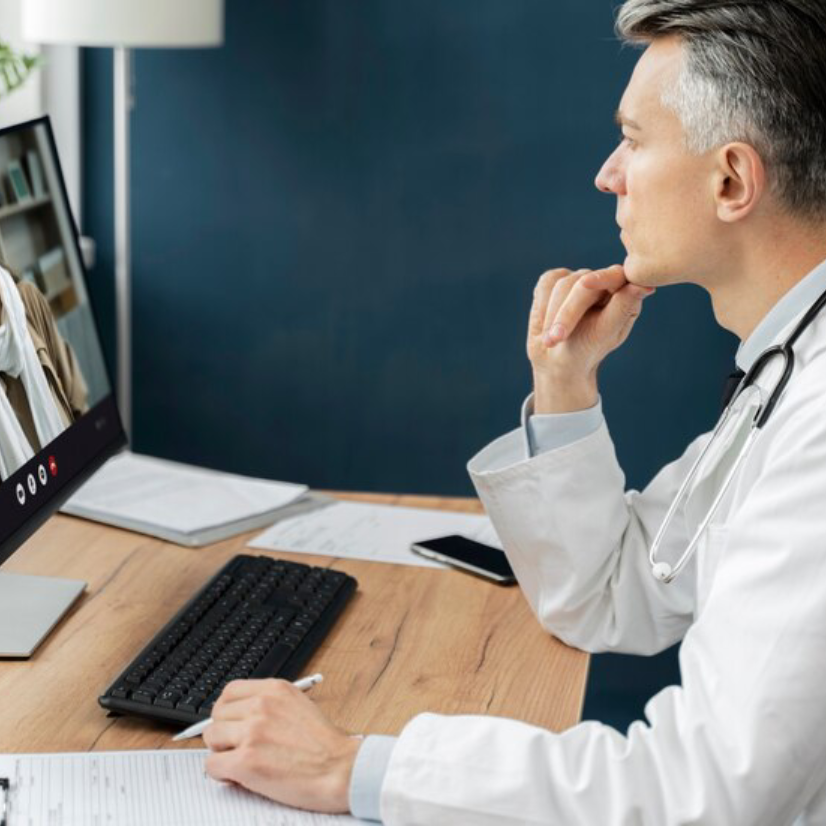
Introduction: Telemedicine has emerged as a crucial component of modern healthcare, offering patients and providers new ways to connect and manage health. This blog post delves into the significance of telemedicine, its benefits, and how Delta Health Technologies is pioneering innovative telemedicine solutions to enhance healthcare delivery.
The Evolution of Telemedicine: Telemedicine, the practice of providing medical care remotely using technology, has been around for decades, but its adoption has surged in recent years. Advances in communication technology, coupled with the need for remote healthcare solutions, have propelled telemedicine into the mainstream. It now plays a vital role in extending healthcare access, especially in underserved and rural areas.
Key Benefits of Telemedicine: Telemedicine offers numerous advantages for both patients and healthcare providers:
- Increased Access to Care: Telemedicine eliminates geographical barriers, allowing patients in remote or underserved areas to receive medical consultations and treatments from specialists without the need to travel.
- Convenience and Flexibility: Patients can schedule virtual appointments at their convenience, reducing the need for time-consuming travel and waiting room delays. This flexibility is especially beneficial for those with busy schedules or mobility issues.
- Continuity of Care: Telemedicine ensures continuous monitoring and follow-up care, particularly for chronic conditions. Patients can easily check in with their healthcare providers, receive medication adjustments, and discuss any concerns in real-time.
- Cost-Effective: Telemedicine reduces healthcare costs by minimizing hospital readmissions, lowering travel expenses, and enabling more efficient use of healthcare resources.
- Enhanced Patient Engagement: Virtual consultations and remote monitoring tools empower patients to take an active role in their healthcare, leading to better adherence to treatment plans and improved health outcomes.
Applications of Telemedicine: Telemedicine is utilized in various healthcare settings, offering a wide range of services:
- Virtual Consultations: Patients can have video consultations with primary care physicians, specialists, and mental health professionals from the comfort of their homes.
- Remote Monitoring: Wearable devices and mobile health apps enable continuous monitoring of vital signs and chronic conditions, allowing healthcare providers to track patient health and intervene when necessary.
- Telepsychiatry: Mental health services delivered via telemedicine provide convenient access to therapy and counseling, addressing the growing demand for mental health care.
- Teledermatology: Dermatologists can diagnose and treat skin conditions using high-resolution images and video consultations, eliminating the need for in-person visits.
- Post-Surgical Follow-Up: Telemedicine allows for post-operative check-ups and wound monitoring, ensuring timely recovery and reducing the risk of complications.
Delta Health Technologies’ Telemedicine Solutions: Delta Health Technologies is at the forefront of telemedicine innovation, offering a suite of advanced telehealth solutions designed to improve patient care and provider efficiency:
- Comprehensive Telehealth Platform: Our telehealth platform integrates video consultations, remote monitoring, and secure messaging, providing a seamless and user-friendly experience for both patients and healthcare providers.
- AI-Powered Virtual Assistants: Our AI-powered virtual assistants assist patients with scheduling appointments, answering health-related questions, and providing medication reminders, enhancing patient engagement and satisfaction.
- Secure Data Management: We prioritize data security and compliance, ensuring that patient information is protected and confidential. Our telemedicine solutions adhere to the highest standards of privacy and security.
- Customizable Features: Our telehealth platform is customizable to meet the specific needs of different healthcare providers and specialties, offering tailored solutions for various medical practices.
Challenges and Future Directions: While telemedicine offers numerous benefits, it also presents challenges that need to be addressed for broader adoption:
- Technological Barriers: Ensuring that all patients have access to the necessary technology and internet connectivity is crucial for the success of telemedicine.
- Regulatory and Licensing Issues: Navigating different state and national regulations for telemedicine practice and reimbursement can be complex.
- Patient and Provider Adoption: Encouraging both patients and healthcare providers to adopt and feel comfortable using telemedicine technologies is essential for its widespread use.
The future of telemedicine looks promising, with ongoing advancements in technology, such as artificial intelligence and machine learning, expected to further enhance telemedicine capabilities. Integrating telemedicine with other healthcare technologies, like electronic health records (EHRs) and wearable devices, will create more cohesive and efficient healthcare systems.
Conclusion: Telemedicine is transforming healthcare by making medical services more accessible, convenient, and cost-effective. Delta Health Technologies is committed to advancing telemedicine through innovative solutions that enhance patient care and provider efficiency. As telemedicine continues to evolve, it will play an increasingly vital role in bridging the gap between patients and healthcare providers, ensuring better health outcomes for all.